Buying Rare Crystal Pieces With Real Confidence
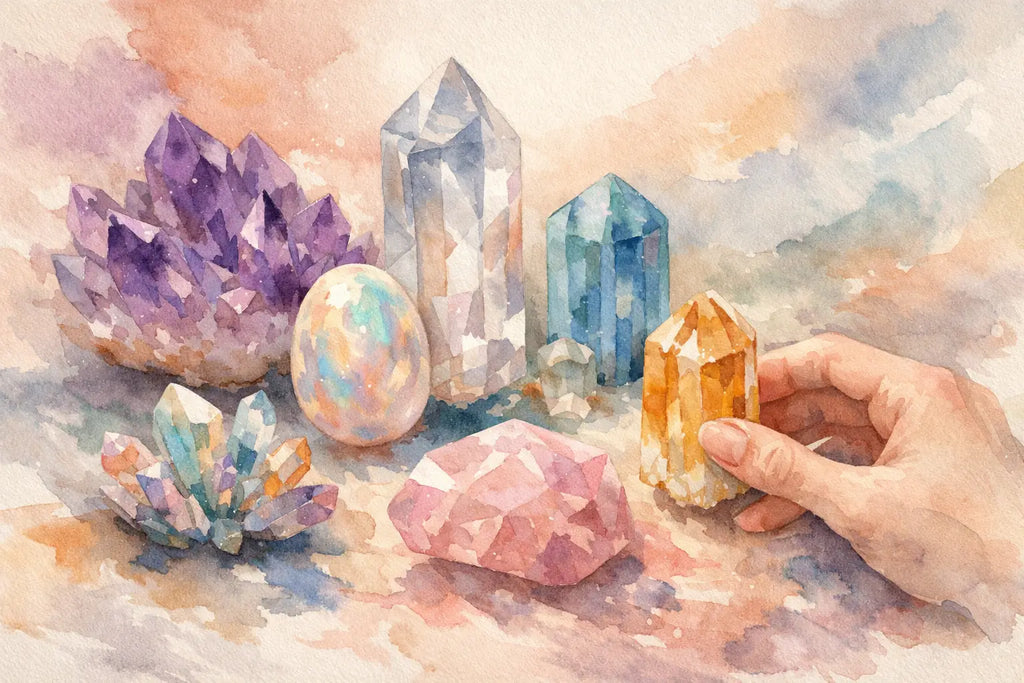
A rare crystal can stop you mid-scroll for a reason. Maybe it is an impossible shade of blue, a sparkling pocket of druzy, an unusually sharp formation, or a specimen whose energy simply feels meant for your space. Buying rare crystal pieces should feel exciting, but it also deserves a little patience. The right piece is not only beautiful - it is honestly represented, thoughtfully sourced, and something you will be proud to keep close for years.
For collectors, spiritually minded shoppers, and meaningful gift givers, rarity is about more than owning what someone else cannot find. It is the story held in the mineral, the care behind its journey, and the feeling you get every time you see it on your shelf, altar, or desk.
What Makes a Crystal Piece Truly Rare?
“Rare” is used often in the crystal world, and it can mean several different things. A mineral may be rare because it comes from a limited locality, because the mine has closed or produces very little material, or because a particular formation is difficult to find. A familiar mineral can also be rare in a certain color, size, clarity, or crystal habit.
For example, amethyst itself is widely available, while a finely formed, deeply colored amethyst scepter or an exceptional large crystal cluster is far less common. The name of the mineral is only one part of the picture. Quality, formation, condition, and origin all shape a piece’s real collector value.
Rarity is also not the same as price. A large specimen may cost more because of weight and shipping, while a smaller piece from a limited find may be more difficult to replace. Conversely, a high price tag does not automatically prove scarcity. Thoughtful shopping means looking beyond the label and asking what specifically makes that piece special.
Start With the Piece, Not the Hype
The most rewarding rare pieces tend to have presence. Look closely at the details that make a specimen memorable: crystal definition, luster, color saturation, balance, translucency, unusual inclusions, or an expressive natural shape. With polished stones, consider the quality of the polish, the pattern, and whether the cut honors the material rather than flattening its personality.
Photographs should help you see the actual piece from more than one angle. A trustworthy listing makes room for both its beauty and its natural character. Small chips, contacts, internal fractures, uneven color, and matrix are not automatically flaws. In mineral specimens, they can be entirely normal parts of a piece’s geological story. What matters is that they are shown and described clearly.
Ask yourself a simple question: would I still love this crystal if I had never been told it was rare? If the answer is yes, you are likely responding to the piece itself, not just the scarcity language around it. That is a wonderful place to begin.
Natural Features Versus Damage
A crystal formed underground under pressure, heat, and time. It will not always look perfectly symmetrical or untouched. Natural contacts occur where a crystal grew against another mineral or the wall of its pocket. Cleavage lines and internal veils may be part of the material’s structure. These features can be beautiful and expected, depending on the mineral.
Damage is different. Fresh chips, broken points, glued repairs, and heavily abraded surfaces can affect value, especially for collector-grade specimens. There is no need to avoid every imperfect piece. A repaired crystal may still be a lovely choice if you love it, understand its condition, and the price reflects that condition. Transparency is what allows you to choose with confidence.
Buying Rare Crystal Pieces With Provenance in Mind
Where a crystal comes from matters. Its locality can influence appearance, rarity, value, and the story you share when someone asks about it. Certain regions are known for distinctive formations or colors, and a reliable seller should be able to provide origin information when it is known.
Provenance also means considering how a piece entered the market. Ethical sourcing is rarely a single perfect checkbox, particularly in a global mineral trade with many small-scale miners, lapidaries, and intermediaries. Still, sellers can make meaningful choices: building direct relationships where possible, asking questions about supply chains, choosing partners who treat people fairly, and avoiding vague claims that cannot be supported.
Before purchasing, it is reasonable to ask whether the mineral’s locality is known, whether the item is natural or treated, and whether any repair has been made. You can also ask for a current photo or video if lighting makes color difficult to judge. A caring shop will welcome thoughtful questions. You are not being difficult - you are honoring the value of what you are bringing home.
At Bellissima Crystals, careful selection is part of the experience because a piece with a meaningful origin and clear presentation carries a different kind of confidence. It is easier to connect with a crystal when you know it was chosen with heart rather than pulled from a faceless stream of inventory.
Understand Treatments Before You Decide
Treatment does not make a crystal unworthy. It simply changes what you are buying, and it should be disclosed. Heat treatment, dyeing, irradiation, coating, stabilization, and carving can all create or enhance certain appearances. Some treatments are common and accepted within the trade. Others may be less desirable to collectors seeking natural, unaltered material.
Aura-coated crystals, for instance, have an intentionally iridescent surface created through a bonding process. They can be joyful, luminous display pieces, but they are different from naturally iridescent minerals. Dyed agate may offer striking color at an accessible price, while a naturally colored stone may appeal more to a mineral collector. Neither choice is wrong. The important thing is that the description gives you enough information to choose intentionally.
If you are shopping for a rare mineral specimen, ask whether the color is natural, whether the surface has been coated, and whether the piece has been repaired or stabilized. Clear answers protect both your budget and your trust.
Let Price Reflect the Whole Story
Pricing rare crystals is not as simple as comparing size. A small, sharply formed specimen from a depleted locality may command more than a much larger common cluster. Price can reflect rarity, condition, color, locality, aesthetic quality, preparation, and the time required to safely transport a fragile piece.
Set a budget before you fall in love, but leave a little room for the piece that feels truly exceptional. If you are new to collecting, starting with a smaller example of a rare mineral can be wiser than purchasing a large specimen quickly. It lets you learn your preferences without pressure.
It also helps to compare like with like. Compare specimens of the same mineral, locality, approximate size, condition, and quality. Comparing a polished freeform to a museum-style cluster, or a treated stone to untreated material, will not give you a useful sense of value.
A fair price should feel supported by thoughtful details: accurate measurements, weight when relevant, clear images, condition notes, and a description that explains why the piece stands apart. When those details are absent, pause before assuming a dramatic claim of rarity is enough.
Choose a Home Before It Arrives
Rare crystals often need more care than everyday tumbled stones. Think about where the piece will live before it reaches your door. A sunny windowsill may fade light-sensitive minerals over time. A high shelf may not be ideal for a delicate cluster. Softer minerals can scratch easily, while unstable materials may prefer low humidity or gentler handling.
Keep display pieces away from crowded edges, curious pets, and places where they can be knocked over. If you are storing a delicate specimen, give it breathing room and avoid letting harder crystals rest against softer ones. Save any protective packaging for future moves.
If your connection to crystals includes ritual or intention, let that be personal rather than prescriptive. You may place your new piece in a meaningful corner, hold it during quiet reflection, or simply enjoy the beauty it brings to a room. A rare crystal does not need to perform for you to matter.
The best rare piece is not always the largest, the most expensive, or the most talked about. It is the one you understand, trust, and continue to notice long after the package is opened. Give yourself permission to wait for that feeling - the right specimen has a way of making its place in your collection feel clear.