What Makes Collector Grade Crystals Exceptional
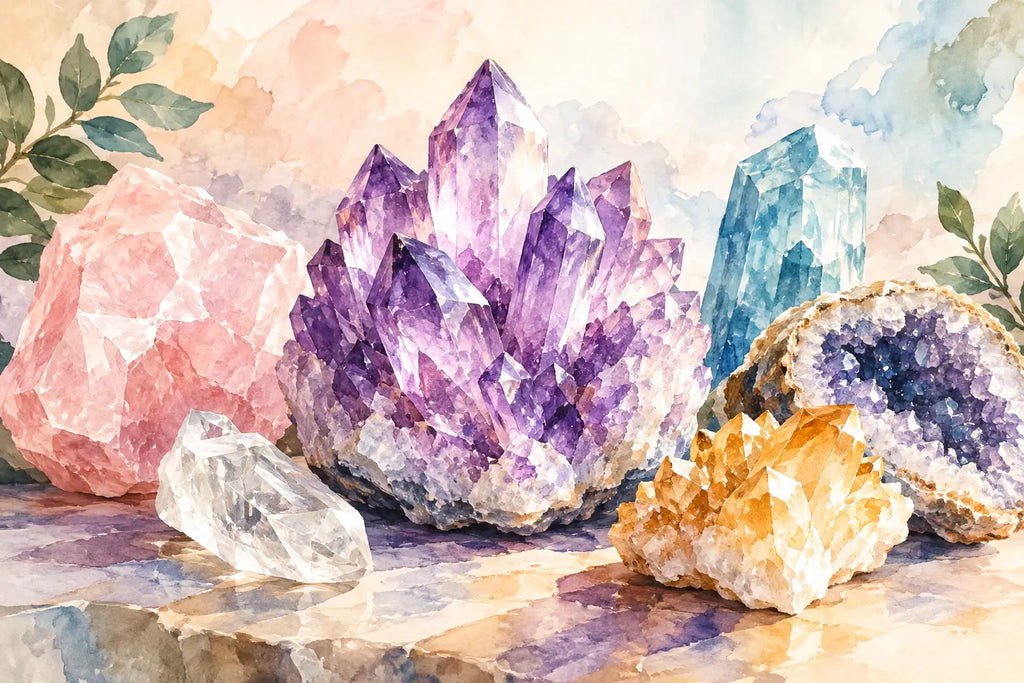
A remarkable crystal does more than catch the light. It invites you to pause, look closer, and notice the details that make it unlike every other piece. That is the heart of collector grade crystals: specimens chosen for exceptional character, not simply for being large, polished, or popular.
For some collectors, that character is a rare mineral formation. For others, it is a dramatic color shift, a pristine termination, an unusually sculptural silhouette, or a piece with a story they can trace back to its source. The right specimen can be deeply personal while still meeting the standards that experienced collectors recognize.
What does collector grade really mean?
“Collector grade” is not a universal, laboratory-regulated label. It is a standard of curation. A collector-grade specimen generally stands apart from typical commercial material because of its rarity, visual impact, condition, crystal structure, or documented origin. Often, it brings several of those qualities together.
That distinction matters because two pieces can share the same mineral name yet have very different levels of desirability. A common quartz point may be lovely, while a sharply terminated quartz cluster with unusual inclusions, exceptional clarity, or a distinctive formation can become a true centerpiece. Material alone does not determine value. The individual specimen does.
At Bellissima Crystals, thoughtful selection begins with the belief that every piece should feel chosen, not pulled from a bin. Collector quality is about honoring what nature created and making sure its best features are seen, described, and cared for.
The qualities collectors look for
Rarity, with context
Rarity can mean that a mineral itself is difficult to find, but it can also refer to an uncommon version of a more familiar stone. A rare color, a specific crystal habit, a unique inclusion pattern, or material from a limited locality may elevate a specimen substantially.
Still, rare does not automatically mean better for every collection. A scarce mineral with a muted appearance may matter most to a technical mineral collector, while a vivid, beautifully formed specimen of a more available material may bring more joy to someone building a display with presence. The best choice depends on what you want your collection to say.
Condition and crystal integrity
Condition is one of the clearest markers of quality. Collectors often inspect terminations, edges, luster, clarity, and any signs of repair or damage. A tiny natural contact point may be completely normal, especially on raw specimens extracted from a matrix. A clean, intact formation, however, generally carries greater appeal than a similar piece with noticeable chips or breaks.
Transparency builds trust here. Natural pits, healed fractures, and mineralogical features are part of a specimen’s history. They should not be confused with careless damage, and they deserve to be represented honestly. A well-curated shop will help you understand what you are seeing rather than hide it behind flattering photos.
Exceptional color, luster, and form
Some crystals earn attention before you even know their name. Saturated color, rich contrast, strong fluorescence, glassy luster, or a perfectly balanced formation can create that immediate sense of wonder. These aesthetic details are not superficial. They are often the very qualities that make a specimen difficult to replace.
Form matters just as much. A freestanding cluster with well-defined points, a delicate spray of crystals, a dramatic stalactite pattern, or a naturally sculptural raw piece can turn a mineral into a display-worthy work of natural art. Polished pieces can also be collector grade when the lapidary work respects the material and highlights an unusual pattern rather than flattening its personality.
Provenance and responsible sourcing
Knowing where a crystal came from adds meaning and confidence. Locality can influence rarity and collector interest, especially when a mine is known for a specific color, formation, or mineral association. It also helps distinguish a thoughtfully sourced specimen from anonymous mass-market inventory.
Responsible sourcing is equally meaningful. Relationships with miners, artisans, and suppliers can create more accountability around how material is acquired and handled. No supply chain is simple, particularly in the global mineral trade, but transparency and careful questions are a meaningful place to begin. A beautiful piece feels even better when its journey has been treated with respect.
How to recognize collector grade crystals online
Shopping online asks you to rely on more than a quick glance. Clear, accurate photography is essential. Look for multiple angles, close views of key details, and images that show scale. If the color seems unusually intense, consider whether it appears consistent across photos and whether the description explains any treatments or enhancements.
Descriptions should go beyond broad labels such as “high quality.” Useful details may include dimensions, weight, locality when known, notable features, condition notes, and whether you will receive the exact piece shown. Exact-piece listings are especially valuable for collectors because the individuality of a specimen is the reason you are choosing it.
It is also wise to ask questions when something matters to you. You might want to know whether a point has a repaired area, whether a sphere has natural fractures, or whether the listed origin is confirmed. A caring seller welcomes that curiosity. Buying a premium specimen should feel considered and reassuring, never rushed.
Building a collection that feels like yours
A meaningful collection does not need to begin with the rarest item in the room. Start with pieces that genuinely pull you in. Maybe you are drawn to amethyst with deep purple zoning, high-clarity smoky quartz, raw tourmaline, luminous labradorite, or minerals from a region you have visited or hope to see.
As your eye develops, you may begin to collect with more intention. Some people focus on one mineral in many forms. Others collect by color, locality, geological habit, or emotional resonance. There is no single right approach. The strongest collections have a point of view, even if that point of view is simply, “Every piece made me feel something.”
It can help to leave room for one special acquisition rather than buying several pieces that feel interchangeable. Collector-grade crystals often ask for a larger investment because the material is rarer, the condition is better, or the selection process is more exacting. That trade-off can be worthwhile when a specimen continues to feel special years after it arrives.
Care protects both beauty and value
Once you bring home a fine specimen, thoughtful care keeps it at its best. Keep more delicate crystals away from busy shelves, direct sun, sudden temperature changes, and surfaces where they can roll or be knocked over. Some minerals fade with prolonged light exposure, while others are soft enough to scratch easily.
Cleaning should be gentle and mineral-specific. A soft brush or dry microfiber cloth is often enough for dust. Water is not suitable for every crystal, and harsh cleaners can damage fragile surfaces, alter coatings, or dull a polished finish. If you are unsure, pause before cleaning. Preservation is always more valuable than an aggressive attempt to make a natural specimen look new.
For pieces with provenance cards, invoices, or locality information, keep those records together. Documentation supports the story of your collection and may become more useful over time, especially for uncommon minerals or pieces you plan to pass along.
Let the piece earn its place
The most memorable crystals are rarely the ones chosen in a hurry. They are the pieces whose color, formation, energy, or origin keeps calling you back for another look. Whether you collect for mineralogical fascination, home decor, spiritual practice, or the simple comfort of surrounding yourself with beauty, choose specimens that feel worthy of your attention. A truly special crystal does not need to compete for meaning. It carries it quietly, in every detail.